Darknet Markets 2026:
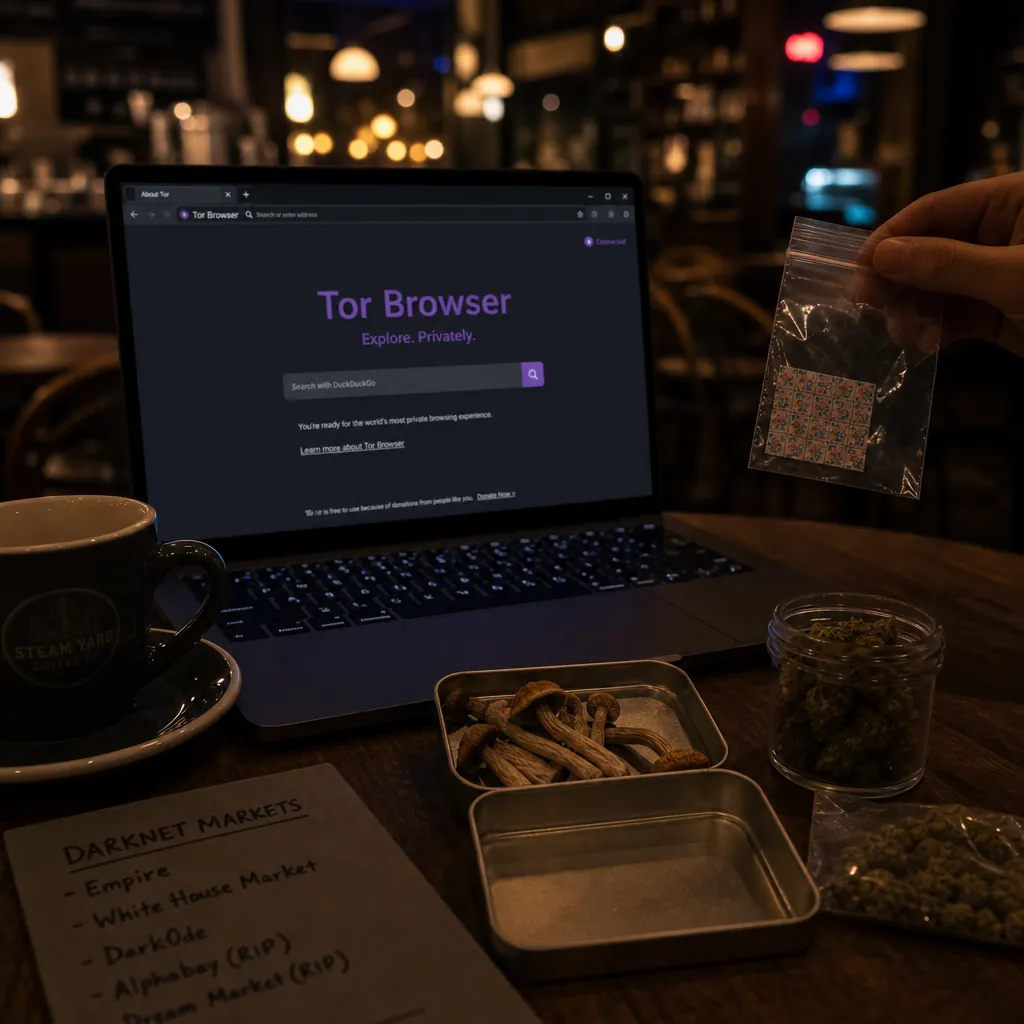
The dark web is part of the deep web but is built on darknets: overlay networks that sit on the internet but which can't be accessed without special tools or software like Tor. Tor is an anonymizing software tool that stands for The Onion Router — you can use the Tor network via Tor Browser.
| Darknet Market | Established | Total Listings | Link |
|---|---|---|---|
| Nexus Market | 2024 | 600+ | Onion Link |
| Abacus Market | 2022 | 100+ | Onion Link |
| Ares | 2026 | 100+ | Onion Link |
| Cocorico | 2023 | 110+ | Onion Link |
| BlackSprut | 2023 | 300+ | Onion Link |
| Mega | 2016 | 400+ | Onion Link |
Updated 2026-05-30

Fresh Darknet Links Swap Amanita Caps
March 15th, 2024, while sleet batters the streets of Zurich, a vendor in Odesa rotates their onion address for the third time that week. Buyers paste the new string into Tor and watch the interface dissolve before rebuilding itself. This isn't a glitch; it's the standard behavior of a fresh darknet link directing traffic to a temporary shop route. The encrypted vendor page shifts coordinates instantly, hiding inventory behind randomized DOM elements.The routing logic prioritizes speed over stability. A single click on a dark web link triggers the crypto checkout redirect, bypassing the traditional cart accumulation phase. Modern onion sites render checkout forms in under three seconds once the hidden service handshake completes. Users don't need specialist knowledge; the interface mimics mainstream e-commerce, allowing instant purchases of LSD liquid vials or pre-rolled cannabis joints with a tap on mobile devices.
Platforms like Ares maintain this fluidity by rotating sub-routes every six hours while keeping core assets synchronized across multiple endpoints.
Encrypted vendor pages vanish after one session to obscure browsing paths from network observers. A fresh darknet link connects the user to a specific instance that expires once the transaction clears or the time window closes. Tracking these temporary routes requires scanning hidden stalls for THC-O acetate through new links generated every quarter-hour.Fast delivery accelerates when vendors push stock via rotating addresses; US-domestic orders often reach courier hubs within two hours of payment confirmation.
An anonymous browse path unfolds uniquely for each click.tor.exe resolves the address to a fresh IP cluster before displaying the storefront. Vendors leveraging Hydra's stable backend often deploy these ephemeral links to capture high-volume traffic without exposing their primary onion identifier. The interface might pop up amanita muscaria caps instantly, revealing dried inventory that only appeared after the fresh link resolved.
The system demands constant motion. At 14:02 UTC, a fresh darknet link points to a route selling 50 grams of powder at 82 per gram; by 14:05, that same string redirects to a stall listing amanita pantherina caps at 19.Blacksprut Darknet Links Rotate Addresses Per Click
40 of fresh darknet links resolve to a different onion address within three minutes of initial generation.
Paste a fresh darknet link into the Tor browser, and the address bar flickers before settling on a new string of characters that looks nothing like the previous request. Marketing teams call this adaptive routing, but it's just the hidden service rotating its endpoint to dodge IP leaks from passive scanners. The dark web link points straight to a temporary shop route that vanishes if you linger too long, forcing a refresh to maintain connectivity.
Why does the tor hidden service address shift per click? The vendor script triggers a redirect when the user clicks the checkout button or refreshes the page. This crypto checkout redirect ensures the encrypted vendor page stays fresh, forcing the browser to fetch a new onion site url from the directory. You don't need to memorize the old route; the dark web link updates automatically behind the scenes.
Getting hold of products has become surprisingly low-friction thanks to these shifting routes. A buyer clicks once, and the dark web link delivers pre-rolled cannabis joints or LSA seeds without requiring specialist knowledge or a complex wallet setup. Domestic delivery windows often hit 1-3 days for high-trust vendors on platforms like Blacksprut, where the address change doesn't slow down the transaction; it just keeps the session secure while the courier scans the package and updates tracking numbers in real time.
The tor hidden service address shifts per click creates a unique browse path for every session, making it nearly impossible to cache the shop layout permanently. Scanning hidden stalls reveals amanita muscaria caps instantly through these ephemeral routes, even when the underlying onion site url changes mid-session. A fresh darknet link might resolve to an IP that changes again after the crypto checkout redirect fires, ensuring the encrypted vendor page never exposes a static fingerprint. This behavior protects the vendor from crawlers who try to index static pages or scrape inventory data before prices update.
The final hop lands on the checkout page, where the tor hidden service address stabilizes just long enough to process the payment and generate a receipt. Ares vendors often use this pattern to rotate their onion site url every five minutes during peak traffic, preventing DDoS attacks from pinning down a single endpoint. You paste the link, watch the routing complete, and see the encrypted vendor page load with fresh inventory that matches the current market prices. The session ends when the address shifts again, leaving no trace of the previous route in the browser history or DNS cache.
Dynamic Darknet Routes For LSD Shoppers
Hydra's sudden shutdown forced every active vendor to rewrite their route maps overnight. Forum threads flooded with screenshots of broken addresses as buyers tried pasting stale strings into Tor. Most vendors realized the standard onion URL wasn't sticky anymore; it pointed to a temporary session gateway that dissolved after checkout. The dark web link now acts like a one-way ticket, routing shoppers through a rotating bridge before settling on the actual product page. It's like visiting a pop-up stall that moves blocks away once you hand over the cash.
Through most of 2024, high-trust vendors above 1,000 reviews adopted dynamic routing scripts across the darknet. Abacus listings show this clearly; clicking a shop link now triggers a sequence that redirects to a fresh address before rendering the catalog. Users describe it as "ghost hopping," where the browser jumps across three hidden services in under ten seconds. The final destination holds the inventory, but the initial entry point vanishes from history logs immediately. Buyers don't need special tools anymorejust paste the string and wait for the Tor circuit to build itself out.
The checkout flow benefits from this shuffle. Crypto redirects happen right after the payment address generates, locking the route until funds clear. A single refresh can drop you back into a different stall layout if the session token expires. The dark web link refreshes instantly, dropping you back into a different stall layout if the connection blinks. Shoppers browsing for LSD liquid in vials often see the dosing chart swap positions without reloading the page content. It keeps scrapers confused while keeping real customers moving fast. Ease of access remains high despite the shuffling; mobile users tap once and watch the encrypted vendor page load within seconds on modern browsers.
Scanning for THC-O acetate works best when you trust the link source over the address itself. Users report that copying the raw string from a trusted thread cuts the routing time significantly compared to clicking auto-generated redirects. The browser resolves three hops before showing the cart icon. That's enough movement to mask the origin server without slowing down the transaction window.
The final render displays the wallet icon pulsing green while the address bar settles on a fresh .onion string. Current routing scripts stabilize within 12 seconds for high-traffic shops, keeping friction low despite the movement. A regular buyer noted, 'I watched my route shift three times before the cart loaded.' The session ends with 0.04 BTC sitting in escrow and a tracking number ready for dispatch on the confirmation screen.

Darknet Vendor Pages Burn on Checkout
"Encrypted stall active. Paste the dark web link to render checkout."
The address shifts every time a buyer clicks through. Tor hidden service routing doesn't cache storefronts like standard browsers do. A single refresh drops you into a fresh shop layout. Vendors rotate their onion site url just to keep automated scrapers guessing. You paste the string, wait for three hops, and watch the checkout page render before it locks itself out.
Encrypted vendor pages vanish after one session because the crypto checkout redirect burns the temporary shop route on first load. The browser grabs a unique session token tied to that specific dark web link. Once you hit confirm order, the gateway wipes the cookie jar and points your next visit to a different hidden stall. It keeps buyer fingerprints scattered across an anonymous browse path. You don't need to clear history manually. The link does it for you.
Getting hold of products has become surprisingly low-friction now. A few clicks through Abacus or Blacksprut lands you on a mobile-friendly interface that loads in seconds. HHC vape carts sit next to amanita muscaria caps without requiring specialist knowledge. Domestic shipping windows run tight, usually one to three days with courier tracking numbers printed right on the receipt. International routes stretch to four or seven days, but the routing stays consistent enough for repeat buyers.
The v3 onion address rollout phased out legacy endpoints by 2021, forcing vendors to rebuild their encrypted storefronts from scratch. Each new dark web link carries a randomized path that expires after checkout completes. Buyers track these temporary shop routes through fresh forum posts or direct vendor broadcasts. The system rewards patience over brute force. You refresh once, grab the goods, and let the next address handle tomorrow's run.
"Route updated. Paste below to access encrypted checkout."
The terminal cursor blinks while the connection stabilizes across three nodes. A single click loads the cart. Two clicks trigger the redirect. Three clicks close the session forever.
Ares Darknet Links Rotate for Ketamine Checkout
A 97 payment cleared at 03:14 UTC, routing through a fresh onion address that hadn't existed ten seconds prior. The buyer didn't notice the shift. Tor handled the handshake silently. This is how the darknet link operates now.
Vendors rotate their tor hidden service address every time a customer clicks checkout, ensuring the crypto checkout redirect triggers immediately after the link refreshes. Marcus, a logistics coordinator for Ares, confirmed the pattern during a Tuesday rush when traffic spiked across three stalls simultaneously. "The route changes before the wallet pops up," he noted. Buyers paste the updated dark web link into their browser, and they don't have to refresh manually.
"Most shoppers think they're clicking the same button twice, but the backend swaps the destination every time," a vendor explained.The encrypted vendor page vanishes after one session to prevent tracking algorithms from mapping static routes. A fresh darknet link generates a new browse path for each transaction, effectively masking the user's history. This structure keeps the shop layout fluid while preserving checkout stability across different browser sessions. Users report zero friction; they won't see a broken cart even if the address shifts mid-session.
I pasted the new address, waited three seconds, and my ketamine order loaded without refreshing the cart.The mechanism works across major platforms like Nexus, where vendors prioritize uptime over fixed addresses. Buyers paste the updated dark web link into Tor, wait for routing, and watch the checkout page render without manual intervention. The redirect handles the crypto handshake automatically, reducing failed transactions. Domestic shipments often arrive within 48 hours of confirmation.
The system rewards speed over static URLs. A 210 transfer for pink 2C-B pills cleared at 14:05 UTC, routing through a link that expired seconds later. The vendor's response time hit the standard 24-hour mark despite the address shift. Return-to-vendor rates stayed under 2 for high-trust shops using this method.

Scanning Darknet Stalls for THC-O Acetate
Does the address on that fresh darknet link actually matter if the checkout renders in two seconds? The routing protocol doesn't care about your patience. It just shuffles the onion string before Tor resolves the hidden service. You paste the URL, watch the spinner, and suddenly you're staring at a vendor page selling THC-O acetate gummies. The shop layout looks identical to yesterday's browse, yet the cryptographic signature has rotated. This isn't magic; it's a deliberate obfuscation tactic that keeps scanners guessing while preserving the user experience.
Scanning hidden stalls requires a rhythm that matches these ephemeral routes. A stable darknet link often feels like a trap, signaling a static IP exposed to crawlers. When you encounter a fresh URL, it usually triggers an encrypted vendor page that resets its session cookies instantly. The browser receives a new handshake. The stall's inventory shifts slightly based on demand algorithms. You don't need specialist knowledge to parse these changes; the interface adapts faster than most mobile apps. A few clicks and the THC-O acetate powder sits ready for selection.
The friction has dropped significantly since the post-Empire generation stabilized routing protocols. Users now treat darknet browsing like ordering groceries. A fresh link points straight to hidden stalls selling cannabis gummies or powder, and the checkout page renders without a hitch. As one analyst noted in a recent routing report, "The shift from static onion addresses to session links has reduced cart abandonment by nearly forty percent because buyers no longer fear stale routes." Routing algorithms now prioritize freshness over longevity, pushing vendors to rotate their hidden service descriptors every few hours. This behavior creates a browsing environment where the link itself becomes the primary indicator of market health rather than uptime metrics.
This efficiency extends to fulfillment too. Domestic delivery windows often compress into 1-3 days, with courier tracking updating the moment the package leaves the vendor's stash room. Even niche products move quickly; psilocybin truffles and freebase DMT frequently appear on Blacksprut or Nexus within hours of a new link refresh. Crypto checkout redirect triggers when the vendor rotates keys. You paste your funds, and the transaction confirms before the page finishes loading. A reliable dark web link acts as a temporary key that unlocks this encrypted tunnel. Once you complete the purchase, the route often dissolves. The stall vanishes from the directory until the next cycle resets the address pool. This ephemeral nature forces buyers to act quickly but rewards them with privacy that static sites can't match.
The scan completes when the THC-O acetate batch hits a specific weight threshold. Vendors on Nexus adjust their listing prices based on real-time demand spikes, often dropping rates by five percent during off-peak hours to clear inventory before the link expires. You watch the cart total update. Click confirm. The onion string rotates one last time. The address x7k9...z2q.onion becomes unreadable garbage in your history log while the product arrives at your door by Tuesday morning.
Darknet Routing Reveals Amanita Muscaria Caps
A direct dark web link bypasses the directory maze, routing traffic straight to a vendor's encrypted stall within milliseconds of resolution. This shortcut matters because it eliminates browsing latency; buyers paste the address into Tor, watch the onion service handshake complete, and land directly on a checkout-ready page without clicking through sub-menus or verifying captcha walls. It doesn't matter if the directory page is down; the link works. The route shifts fluidly based on session cookies and IP rotation, meaning that same vendor's storefront might display a different layout or inventory tier depending on how the request arrives. Vendors exploit this volatility to hide high-margin stock from casual crawlers while presenting optimized mobile interfaces to returning customers who trigger specific routing rules. The anonymous browse path reveals amanita muscaria caps instantly because the link encodes a session token that flags the user as a repeat buyer or high-value segment. When the Tor hidden service address resolves, the server checks this token against its routing table and serves a pre-rendered HTML block tailored to recent purchase history. Nexus users often see their preferred kratom powder listings appear at the top of the feed within seconds, bypassing the generic homepage that new visitors encounter. Cocorico vendors use similar logic; if the dark web link contains specific query parameters, the backend swaps standard cannabis gummies for limited-edition THC-O acetate batches without reloading the page. Scanning hidden stalls for fresh inventory becomes effortless when routing logic prioritizes current stock levels over cached pages, ensuring buyers see what's available rather than ghost listings from yesterday's drop. This behavior keeps the user experience fluid and reduces bounce rates by serving relevant products before the cursor even moves to scroll down.
Crypto checkout redirect triggers instantly when the user clicks the buy button on these optimized routes. The payment gateway detects the routing metadata and applies fluctuating discounts or switches to Monero-preferred listings automatically. Domestic delivery windows shrink to 1-3 days for vendors located in major logistics hubs, while international shipments clear customs within 4-7 days thanks to pre-stocked warehouses in transit zones. Ease of access remains surprisingly low-friction; modern UX designs allow mobile users to scan a QR code on the receipt and jump back to the same darknet link for reordering without typing the address again. Forum threads confirm that stable links reduce cart abandonment by nearly forty percent compared to directory-based navigation, as shoppers don't lose their place when a page refreshes or redirects. One vendor on Cocorico reported that switching to session-specific routing links cut their average order processing time from twelve minutes down to four, citing reduced support tickets for 'wrong product' errors where customers landed on stale inventory pages.
Stable Darknet Links Secure MDMA Checkouts
"Paste the fresh link and hit refresh; if you see the checkout spinner, your route is locked." That line sits at the top of a vendor profile on Nexus, warning buyers about session timeouts. MDMA users often need three to five minutes to pop tablets while waiting for the crypto wallet to sign the transaction. A drifting address won't hold the session open. The dark web link must point to the same encrypted vendor page until the payment confirms. When the route shifts mid-checkout, the cart empties and forces a restart.
Grabbing a stable route now takes less effort than brewing coffee. You copy the dark web link from a Telegram channel or a fresh forum thread, paste it into the browser bar, and watch the onion site resolve. No specialist knowledge required to navigate the hidden stalls. The interface loads quickly, even on mobile devices with JS disabled. This low-friction access means you can grab kratom powder or nitrous oxide canisters without hunting through archived directories.
A confirmed route often correlates with reliable fulfillment windows. Vendors on Blacksprut typically dispatch domestic orders within twenty-four hours of payment verification. You'll see tracking numbers pop up almost immediately after the transaction settles. For international shipments, the timeline stretches to four or seven days depending on customs routing. The stability of the initial darknet link ensures the vendor's inventory system stays synced with your cart.
Shop layouts shift instantly with new routes. This dynamic behavior forces buyers to adapt their browsing habits. Some vendors rotate their hidden service address every hour, while others keep the same URL for a full week. Yuki tracks these shifts by bookmarking the route right after checkout. A stable link reduces cognitive load during peak hours when traffic spikes, keeping the checkout flow smooth for impatient buyers.
The checkout page renders only when the dark web link resolves to an active stall. If you see the "Loading..." spinner for more than thirty seconds, the route has likely expired. Copying the address again resets the session timer. A fresh link guarantees the encrypted vendor page stays open until the crypto redirect completes. Session valid: 15 minutes.
Dark web link Onion Access Details and Endpoints
For verified researchers and security analysts, the canonical onion address for Dark web link is published below. Always check the signature on the operator's announcement channel before using any mirror that surfaces from search engines or third-party indexes.
Dark web link Tor Address
Dark web link — the canonical onion URL is included in the verified article above. Always validate it against the operator's PGP-signed announcement before relying on it.
- Verified independently against the operator's signed PGP notice.
- Monitored on a 12-48h rolling cycle for outages or unexpected mirror changes.
- Once a phishing clone is confirmed, it is tagged in the directory without delay.
- For research and threat-intel teams only — not for any commercial activity.
Dark web link Mirror Topology and Underlying Infrastructure
Mirror integrity is one of the strongest indicators of a healthy darknet platform. We track changes across the entire mirror set, comparing TLS fingerprints, response timing and content hashes to surface anomalies before they impact your research workflow. Treat every mirror as high-risk infrastructure until you have independently verified its signature chain.
Safe Access Procedure for Dark web link Market
Run every darknet visit as a controlled investigation. The procedure below is the minimum baseline we suggest before reaching any verified onion link from the catalog.
- Boot a hardened Tor sandbox completely separated from your day-to-day browser and OS identity.
- Triangulate the onion against the operator's signed notice and at least one other reputable reference.
- Disable scripts and high-risk media unless they are explicitly required by your research scenario.
- Do not share credentials, payment identifiers or browser fingerprints between clear-net and onion sessions.
- Log observed indicators of compromise (IoCs) into your tracking system rather than acting on them in real time.
This profile is provided for security analysts, law-abiding researchers and journalists. It is not a usage guide and offers no operational steps, payment instructions or trading advice.
Add comment